
Whether you’re a seasoned lifter or just starting your fitness journey, the right weightlifting gear can make all the difference in your performance, safety, and results. In this guide, we’ll break down essential weightlifting gear, explain how it helps, and give you actionable tips to upgrade your workout routine.
Why Weightlifting Gear Matters More Than You Think
Many athletes underestimate the role of specialized gear. The right equipment can:
- Enhance performance by improving grip, stability, and movement efficiency.
- Prevent injuries by supporting joints and proper lifting form.
- Boost confidence so you can lift heavier and train consistently.
Weightlifting isn’t just about strength—it’s about precision, endurance, and protection. Investing in quality gear ensures every rep counts.
Top Weightlifting Gear You Need Now
1. Lifting Belts: Support Where It Counts
A sturdy lifting belt stabilizes your lower back during heavy squats, deadlifts, and overhead presses. Look for:
- Thick leather or reinforced nylon for durability.
- Adjustable straps for a snug, customized fit.
- Ergonomic design that allows full range of motion.
Pro Tip: Wear the belt for lifts at 80% of your one-rep max or higher to reduce spinal stress.
2. Wrist Wraps: Protect Your Joints
Wrist wraps are essential for pressing movements and Olympic lifts. Benefits include:
- Reducing strain on wrists during bench presses and snatches.
- Supporting heavier loads safely.
- Allowing longer training sessions without discomfort.
Quick Tip: Choose wraps with a hook-and-loop closure for easy adjustments mid-session.
3. Lifting Shoes: Stability Equals Strength
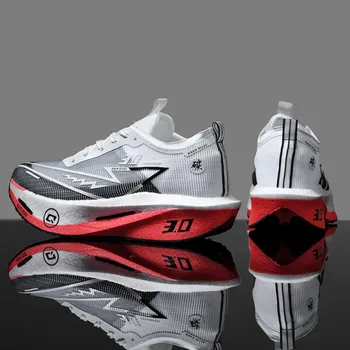
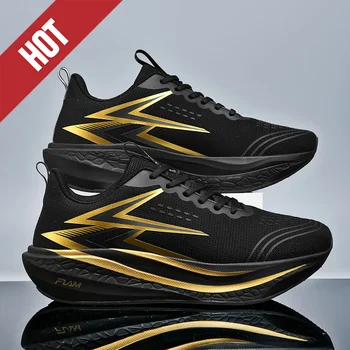
Weightlifting shoes improve your foundation by:
- Offering a solid, non-compressible sole for squats and presses.
- Elevating the heel slightly to improve squat depth and form.
- Enhancing power transfer from your legs to the barbell.
If you want to lift more efficiently and safely, investing in specialized shoes is non-negotiable.
4. Chalk and Grip Aids: Maximize Your Hold
Sweaty palms can compromise heavy lifts. Chalk or liquid grip:
- Prevents slippage during deadlifts, cleans, and snatches.
- Reduces the risk of calluses and skin tears.
- Gives you confidence to push beyond plateaus.
Pro Tip: Use sparingly in gyms that allow it, and always combine with proper hand care.
5. Resistance Bands: Versatile Training Tools
Bands aren’t just for warm-ups—they complement lifting by:
- Improving mobility and joint activation.
- Adding variable resistance for strength progression.
- Assisting with pull-ups and other bodyweight exercises.
Incorporate bands into accessory work for injury prevention and better overall performance.
How to Build a Weightlifting Gear Setup That Works for You
- Assess your training goals: Powerlifting, Olympic lifting, or general strength training all require slightly different gear.
- Start with essentials: Belt, wraps, shoes, and chalk. Cover the basics.
- Invest in quality over quantity: Durable gear saves money long-term and protects your body.
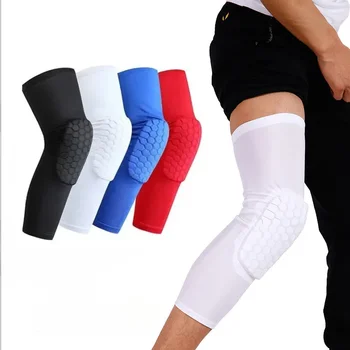
- Upgrade gradually: Add specialty items like lifting straps, knee sleeves, or bands as needed.
- Maintain your gear: Clean shoes, condition belts, and replace worn wraps to ensure longevity.
Trends in Weightlifting Gear for 2026
- Eco-friendly materials: More brands are offering sustainable leather and synthetic options.
- Smart gear: Wearables that track bar speed, reps, and lift intensity are gaining popularity.
- Customizable fit: Adjustable belts and shoes for personalized support are trending among serious lifters.
These trends show that weightlifting gear isn’t just functional—it’s evolving to enhance performance, comfort, and sustainability.
Conclusion: Gear Up for Success
Weightlifting gear is more than just accessories—it’s a crucial part of your training toolkit. From belts and wraps to shoes and chalk, the right gear improves performance, prevents injuries, and keeps you motivated.
Ready to elevate your lifting game? Start by upgrading your essentials and exploring specialized gear as your strength grows. Share this guide with fellow lifters and join our newsletter for more expert tips on sports equipment, training trends, and performance insights.

0 Comments