
Introduction: Why Sports Safety Gear Should Be Your First Play
Whether you’re hitting the basketball court, cycling through trails, or stepping onto the soccer field, one thing is clear: injuries can happen to anyone. Many athletes underestimate the importance of sports safety gear, thinking it’s optional. In reality, wearing the right protective equipment not only prevents injuries but also boosts your confidence and performance.
In this guide, we’ll break down the essential sports safety gear you need, why it matters, and how to choose the best options for your activity.
Helmets — More Than Just a Head Cover
The Science Behind Helmet Protection
A helmet isn’t just a hard hat; it’s a carefully engineered piece of safety equipment designed to absorb impact. Studies show that wearing a certified helmet can reduce the risk of head injuries by up to 50% in cycling accidents.
Choosing the Right Helmet
- Sport-specific fit: Choose a helmet designed for your activity—cycling, skateboarding, or skiing all have unique standards.
- Size matters: A loose helmet can fail in an accident. Measure your head and use adjustable straps for a snug fit.
- Material & ventilation: Lightweight helmets with proper airflow prevent overheating while providing maximum protection.
Pads and Guards — Protect Your Joints
Knee, Elbow, and Wrist Guards
From rollerblading to hockey, joint injuries are common. Wearing pads can reduce bruising and fractures. Experts recommend high-density foam padding for shock absorption and flexible outer shells for mobility.
Actionable Tips
- Inspect padding regularly for wear and tear.
- Replace pads after significant impacts or seasons of heavy use.
- Pair pads with proper technique to reduce unnecessary strain.
Footwear — Safety Starts from the Ground Up
The Role of Sport-Specific Shoes
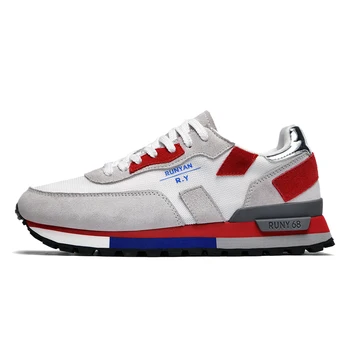
Proper footwear supports your movements and prevents injuries like ankle sprains or shin splints. For example, basketball shoes provide ankle support, while running shoes focus on cushioning and shock absorption.
Insider Tip
Rotate between training and game shoes if you train often. This prevents wear-related injuries and prolongs the lifespan of your gear.
Accessories That Enhance Safety
Mouthguards and Eye Protection
Contact sports like hockey or rugby require mouthguards to prevent dental injuries, while goggles or safety glasses can protect against debris in cycling or racquet sports.
Choosing the Right Accessories
- Mouthguards: Opt for custom-fitted options for comfort and maximum protection.
- Eye protection: Look for shatterproof lenses and anti-fog coatings.
Sports Safety Gear Trends in 2026
- Smart protective gear: Wearables with impact sensors to detect collisions.
- Eco-friendly materials: Recycled plastics and biodegradable foams in pads and helmets.
- Custom-fit innovations: 3D scanning to ensure a perfect fit for maximum safety.
Investing in modern sports safety gear isn’t just trendy—it’s a smart choice for long-term athletic health.
Conclusion: Gear Up, Play Safe, and Stay Confident
Sports safety gear isn’t just optional—it’s essential for protecting your body while enjoying your favorite activities. From helmets to mouthguards, pads, and specialized footwear, choosing the right gear reduces injuries, enhances performance, and gives you peace of mind.
Start evaluating your current gear today. Upgrade where needed, and play smart! Share this guide with fellow athletes or join our newsletter to get the latest insights on top-quality sporting goods and safety equipment.




0 Comments