
As more people commit to active lifestyles, one question continues to surface among newcomers and seasoned athletes alike: Do you really need professional-grade equipment to see real results? The answer isn’t as straightforward as it may seem. While high-end gear can enhance performance, beginners often benefit more from simplicity, affordability, and consistency.
Understanding the difference between entry-level and professional sports equipment can help consumers make smarter investments—without overspending or holding themselves back.
Starting Strong: What Beginners Actually Need
For those just stepping into fitness or sports, the priority should be building habits—not building an expensive gear collection. Entry-level equipment is designed to be accessible, easy to use, and budget-friendly.
Take strength training, for example. Beginners can start effectively with resistance bands, light dumbbells, or even bodyweight-focused tools like yoga mats and stability balls. These essentials allow users to develop proper form and foundational strength without the intimidation or risk that can come with heavier, more complex equipment.
Similarly, in sports like basketball or soccer, a quality basic ball, comfortable footwear, and minimal accessories are often enough to get started. At this stage, consistency matters far more than having elite gear.
Leveling Up: When to Consider Advanced Equipment
As skills improve and commitment deepens, the limitations of entry-level equipment can start to show. This is where advanced gear begins to make a meaningful difference.
Intermediate and professional athletes often require equipment that offers greater durability, precision, and performance enhancement. In strength training, this might include adjustable dumbbell systems, Olympic barbells, or specialized machines that target specific muscle groups.
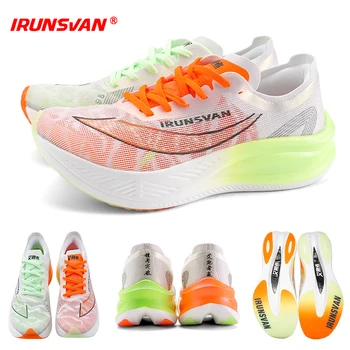
For runners, upgrading from standard athletic shoes to performance-engineered footwear with advanced cushioning and support can reduce injury risk and improve endurance. In sports like tennis or cycling, higher-end rackets or bikes can provide better control, responsiveness, and efficiency.
The key indicator that it’s time to upgrade isn’t just experience—it’s consistency. If you’re training regularly and pushing your limits, better equipment can help you progress further.
Breaking Down the Differences
Across most sports and fitness categories, the gap between beginner and pro equipment comes down to a few core factors:
1. Quality and Durability
Entry-level gear is typically made for light to moderate use, while advanced equipment is built to withstand frequent, intense training sessions.
2. Performance Features
Professional-grade equipment often includes enhanced materials, ergonomic designs, and technology that improve efficiency and results.
3. Price Point
There’s no surprise here—higher performance usually comes with a higher cost. However, investing too early can lead to wasted money if the gear isn’t fully utilized.
4. Customization and Precision
Advanced equipment allows for more tailored workouts or gameplay, which becomes increasingly important as athletes refine their skills.
Avoiding Common Mistakes
One of the biggest missteps beginners make is overinvesting too soon. Buying top-tier equipment without the experience to use it properly can lead to frustration—or worse, injury.
On the other hand, sticking with entry-level gear for too long can also slow progress. Worn-out equipment or tools that no longer challenge you can limit gains and reduce motivation.
The goal is to evolve your gear alongside your abilities.
Smart Upgrades That Make a Difference
If you’re ready to transition from beginner to more advanced equipment, focus on upgrades that deliver the most impact:
- Swap fixed dumbbells for adjustable sets to increase versatility
- Upgrade to performance footwear suited to your specific sport
- Invest in durable, multi-use equipment that grows with your routine
- Choose gear designed for injury prevention and proper form
These changes don’t require a complete overhaul—but they can significantly elevate your training.
The Bottom Line
You don’t need professional-grade equipment to start—but you do need the right equipment for your current level. Beginners should prioritize simplicity and consistency, while more experienced athletes can benefit from the performance advantages of advanced gear.
The smartest approach is not to chase the most expensive option, but to choose equipment that matches your goals, supports your progress, and keeps you moving forward.
In the end, it’s not about having the best gear—it’s about using the right gear at the right time.




0 Comments