
Introduction
If you’re serious about sports and physical activities, you know that the right gear doesn’t just improve performance—it keeps you safe, comfortable, and motivated. In this guide, you’ll learn how to choose outdoor & adventure equipment that meets your needs, avoid common pitfalls when buying sporting goods, and stay ahead of trends that matter in 2026. Whether you’re training for a trail run, gearing up for a climbing expedition, or just love weekend hikes, this article breaks down essential insights every active athlete should know.
Understanding Outdoor & Adventure Equipment: What Really Matters
What Makes Sporting Goods “Adventure‑Ready”?
Not all sporting goods are created equal. Outdoor & Adventure Equipment must be durable, functional, and designed for changing conditions. Look for these qualities:
Rugged Durability
Gear that resists abrasion, water, and impact lasts longer and keeps you protected. For example, backpacks with reinforced stitching and boots with waterproof membranes are must‑haves for frequent hikers.
Smart Design Features
Ventilation systems in clothing, modular storage in packs, and adjustable fits in helmets are examples of design elements that boost performance and comfort.
Weight vs. Function
Every gram counts when you’re headed off‑trail. Lightweight materials like ripstop nylon and carbon‑reinforced composites help you go farther with less fatigue.
Actionable Tip: Always check product specs for material ratings (e.g., water resistance, breathability indices) before buying outdoor gear.
5 Ways to Choose the Right Outdoor Gear for Your Sport
1. Start With Your Activity Goals
Outdoor & adventure equipment needs vary drastically by sport:
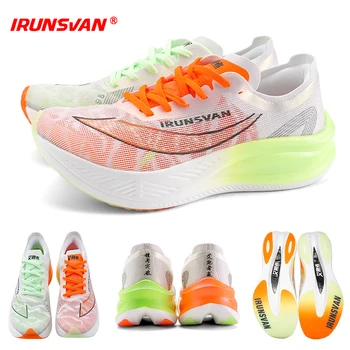
- Trail running: Prioritize lightweight shoes with excellent traction and moisture‑wicking apparel.
- Camping & backpacking: Comfort and storage come first—think quality tents, sleeping systems, and durable packs.
- Rock climbing: Harnesses, helmets, and climbing shoes should fit precisely and meet safety standards.
Insight: If you plan multiple activities, choose versatile gear layers (e.g., breathable shells that double for hiking and biking).
2. Know the Terrain and Weather Conditions
Choosing the right gear means matching it to where you’ll be active:
- Wet environments: Waterproof gear and quick‑dry fabrics.
- Cold climates: Insulated layers and moisture management systems.
- High altitude: Breathable gear and footwear with a strong grip for slick, uneven terrain.
Trend Alert: Sustainable, weather‑adaptive materials are gaining popularity in outdoor & adventure equipment, with brands using recycled textiles that still meet performance criteria.
3. Fit and Comfort Are Non-Negotiable
Poorly fitting gear doesn’t just feel uncomfortable—it can lead to injury. Always:
- Try on shoes with the socks you plan to wear during the activity.
- Adjust backpack straps to distribute weight evenly.
- Ensure helmets and protective gear sit snugly without pressure points.
Stat Insight: According to consumer gear reviews, almost 60% of returns are due to poor fit—not defective products.
4. Balance Price With Longevity
Cheap sporting goods may seem tempting, but can cost more in the long run if they wear out too fast. Consider:
- Investing more in footwear and protective gear.
- Choosing modular items with replaceable parts (e.g., backpack frames or boot soles).
Actionable Tip: Aim to spend more on gear that directly impacts safety or performance (like helmets and hydration systems), and choose budget options for secondary items.
5. Read Reviews and Ask Real Users
Don’t rely solely on product descriptions. Look for:
- Real‑world user feedback specific to your sport.
- Reviews from athletes with similar goals or terrains.
- Video gear tests that demonstrate performance.
Pro Tip: Join community forums or local clubs to get firsthand experience recommendations before purchasing.
Outdoor & Adventure Equipment Trends in 2026
Tech‑Integrated Gear
Wearables that track biometrics and smart fabrics that adapt to temperature changes are becoming more common. Expect outdoor gear with:
- Integrated sensors in athletic apparel
- GPS and safety modules in backpacks
- Bluetooth‑enabled performance tracking
Eco‑Conscious Materials
More brands are using recycled and biodegradable materials in sporting goods without sacrificing durability. Tracking sustainability ratings can help you shop responsibly.
Avoiding Common Mistakes With Sporting Goods
Mistake #1: Buying Gear Based on Looks Alone
Flashy colors or trendy designs don’t equal performance. Always check functional ratings and reviews.
Mistake #2: Ignoring Gear Maintenance
Even the best outdoor & adventure equipment fails without care. Learn:
- How to clean and store gear properly
- When to replace worn parts
- How to repair on the trail
Pro Tip: Regularly inspect your equipment before every major outing.
Conclusion
Choosing the right outdoor & adventure equipment will elevate your performance, keep you safe, and make every activity more enjoyable. Focus on fit, durability, and features that match your sport and environment. By avoiding common mistakes and staying informed about trends like smart gear and sustainable materials, you’ll make smarter purchases and get more from your sporting goods.
If you found this guide helpful, consider signing up for our newsletter to receive more expert tips, gear guides, and exclusive insights into outdoor adventures. Share this post with a friend who’s gearing up for their next big challenge.




0 Comments